Blog
How to Choose the Perfect Rug for Your Living Room
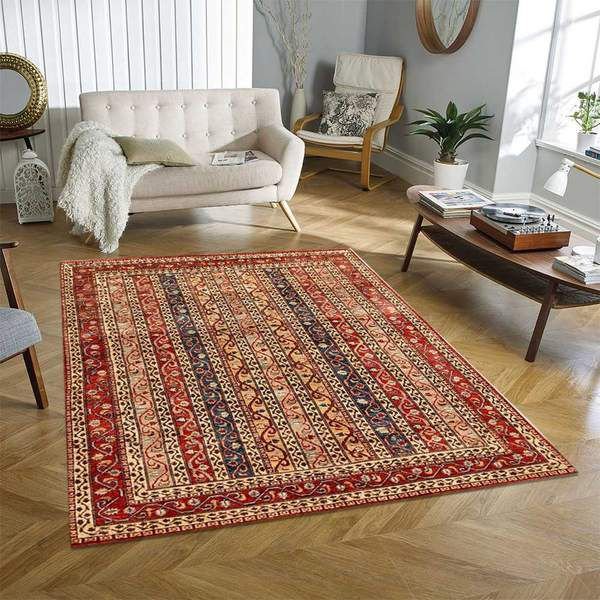
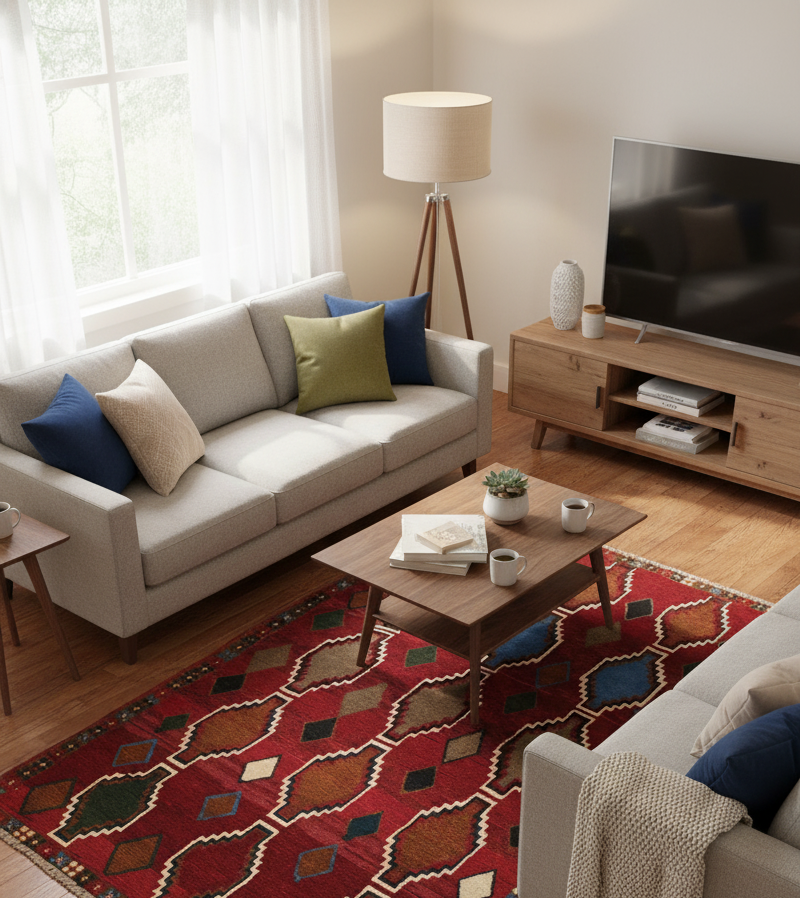
Choosing the right rug for your living room can completely transform the space. The rug sets the tone, adds warmth, and helps tie all your furniture together. Start by measuring your room to ensure you pick the correct size—ideally, the front legs of your sofa and chairs should sit on the rug. Next, look at your color scheme. Neutral tones create a calm atmosphere, while bold patterns add personality and vibrancy. Finally, consider the material: wool offers durability, shag adds softness, and synthetic fibers are great for high-traffic areas. A well-chosen rug becomes the heart of your living room décor.
Measure Your Space Before You Shop
The first and most important step in choosing a living room rug is understanding your room’s dimensions.
Ideal Rug Size Guidelines
For a large living room, choose a rug that allows all furniture legs to sit comfortably on it.
For medium-sized rooms, having at least the front legs of the sofa and chairs on the rug creates a cohesive look.
Tip:
Leave 8–12 inches of floor space around the rug edges to frame the room beautifully.

A rug is more than just a piece of décor—it’s an essential part of creating a warm, stylish, and functional living room. By choosing the right size, material, style, and shape, you can completely transform your space and make it feel more cohesive and inviting.
So when is it okay to use placeholder text?
Placeholder text works perfectly for staging product pages or demo layouts. It’s similar to how rugs are displayed in a showroom—just like a rug helps you imagine how a room will look, placeholder text helps you visualize how your website content will appear once it’s complete. The same website template could later be used for a home décor blog, an online rug store, or an interior design portfolio. Placeholder text simply helps clients imagine the final look and feel of the site.
Usage and Examples
One important reminder: always inform your client that the text is temporary.
You don’t want them wondering why the website is filled with random lines or unfamiliar wording, and you definitely don’t want them publishing the site with placeholder content by mistake.
Make sure your client knows it's just demo text.
Ensure they understand it's not the final content.
Avoid confusing them with incomplete or repeated lines.
Placeholder text should support the design—not distract from it.
Using temporary text is a common web design practice, especially before the real product descriptions or rug details are ready. Just remember to replace it before launch to ensure the website looks polished and professional.
Using placeholder text helps keep everyone focused on what matters at that stage: the design, the layout, and how the rug showcase will look. So don’t hesitate to use placeholder text when you want to avoid unnecessary distractions and keep the team aligned during early development.